School of Arts and Humanities Arts and Humanities

Get Started Here

The Research and Creative Activities vision of the UC San Diego School of Arts and Humanities is to be a leader in innovative, interdisciplinary, and collaborative scholarship and art practice promoting the foundational, transferable and enduring values of the humanities and arts in an increasingly technological and global society.

Securing funding for your research and creative activities can be both exciting and complicated. You'll start with your idea, and then identify a funding opportunity. Use the road map below as your guide, and we encourage you to both use the resources on this website, and reach out directly for help and support.

Faculty Submission Roadmap and Checklist

Downloadable PDF: Faculty Proposal Submission Roadmap

Getting Started with the Grant Application Process

Roles and Responsibilities

Principal Investigator (PI) Main applicant, project vision and proposal content
Department (MSO/CAO and Fiscal Analyst) Budget preparation, fund management
Dean's Office Project manager (PM) Project management, timelines, Kuali routing
Office of Contracts & Grants (OCGA) Campus compliance review; submits proposal or authorizes PI submission
Sponsor/Funder The organization that originates the opportunity and the entity to which the completed, final application package will be submitted


Step 1: Identify the Opportunity

  • Who is the funder? Government, foundation, internal, or other entity
  • What type of support? Grant, fellowship, stipend, residency

Note: This determines review requirements and timelines.

Step 2: Confirm Project Plan & Deadlines

The Project Manager (PM) and PI will align on key deadlines:

  • Internal submission deadlines
  • Final submission deadline to the sponsor

Note: Standard proposals must be submitted to OCGA 5–7 business days before the sponsor deadline.

Step 3: Department & Budget Coordination

  • If not already, MSO/CAO and Fiscal Analyst are notified
  • Budget preparer is identified
  • Confirm faculty salary, course buyout, and indirect cost allowability per campus budget policies
  • Confirm GSR needs and salary/expenses
  • Budget justifications are drafted

Step 4: Scope, Deliverables, and Partners

  • Clarify required deliverables for the proposed work.
  • Determine whether IRB or Export Control review is required.
  • Identify any additional required materials.
  • Identify contractors, consultants, and/or subawards.
  • Determine partner requirements, including:
    • Budgets
    • Letters of support
    • Required forms or documentation

Note: The PI is responsible for working with subawardees, consultants, or contractors to gather their materials. 

Step 5: Proposal Management & Kuali

The Project Manager will coordinate with OCGA and the PI to:

  • Submit the proposal in Kuali
  • Address any feedback or required revisions

Once OCGA grants final approval, the Project Manager will collaborate with the PI to:

  • Prepare the complete submission package
  • Submit it to the sponsor according to their instructions

Key Takeaways

  • Notify your department MSO/CAO early
  • Use the Dean’s Office as a support
  • Think about how the operations will function in your project (Expenses, Timeline, Support)

Contact

Monica Alvarado
Dean’s Office | Program Manager, Research and Creative Activities
Email: moa002@ucsd.edu

Sponsored-Project Proposal Submission Timeline

Your department Chief Administrative Officer (CAO) and Fiscal Manager will provide proposal assistance, primarily focusing on budget development and administrative logistics. The School of Arts and Humanities Dean’s Office can work closely with the PI and designated staff to investigate options and provide proposal feedback. We each work in partnership with the Office of Contract and Grant Administration (OCGA) to provide support for the development of large, complex, multidisciplinary research proposals.

OCGA is responsible for contract and grant management for UC San Diego and their role includes:

  1. Review, endorsement and submission of proposals
  2. Negotiation and acceptance of contract and grant agreements
  3. Interpretation of guidelines
  4. Promotion of compliance with sponsor and University policies


Recommended Submission Schedule

60 Days Before Deadline

Provide to your CAO and Fiscal Manager:

  • Agency name
  • Link to funding opportunity, special announcements or forms
  • Title of proposal
  • Identify start date, number of years and due date of proposal
  • Budget; identify target annual budget amount and provide list of personnel working on grant, materials and supplies, equipment (vendor quotes are usually not required), travel, other expenses (including publication costs, animal costs, campus services)
  • Indirect Cost (IDC) statement, as OCGA will often request this
    • Review federally negotiated IDC rates.
    • If IDC is not allowed, provide documentation from sponsor
  • If proposal includes subcontracts, provide contact information for each site

45 Days Before Deadline

Provide to your CAO and Fiscal Manager, with the option to include the Dean’s Office staff:

  • A rough draft of the proposal (including references, bibliographies, biosketches, as required by funding agency)
  • Budget justification
  • Letters of collaboration (if applicable)
  • Review draft proposal

30 Days Before Deadline

Submit draft documents to CAO and Fiscal Manager for compilation into application package and submission to OCGA for review:

  • Draft application review includes finalized budget, budget justification, administrative documents (e.g., facilities, equipment, biosketches, resource sharing plan, etc.) and draft science
  • Your department colleagues will upload documents into application package for OCGA review and inform you of any changes, corrections or suggestions
  • Complete PI certification in Kuali record COI certification in Kuali COI

14 Days Before Deadline

Review entire proposal for submission. Provide final version of required documents to Research Administrator.

5 Business Days Before Deadline

Final proposal is due to OCGA by 8 a.m. Final documents are due to your department administrative staff by noon on the business day prior to the agency's published deadline.

Day of Deadline

Confirm proposal has been submitted. Review submitted application online if applicable.

After Submission

Inform your department CAO and Fiscal Manager as soon as an award or a declination of a proposal has been received.

Additional items to consider:

  • UC San Diego standard business hours are 8 a.m. - 4:30 p.m.
  • Submit as early as possible to avoid last minute system issues or delays, particularly during peak submission periods.
  • Stay by a phone or email until submission is confirmed in case any unexpected issues arise.

6 Dos and Dont's from a UC San Diego Grant Writer

Funding Fundamentals:  6 Dos and Don’ts from a UC San Diego Grant Writer

Published April 08, 2026

See the full article at this link: UC San Diego Today | April 08, 2026

This commentary by UC San Diego Qualcomm Institute grant writer Molly Wofford provides practical tips for stronger grant proposals.

It is an unprecedented time in the research funding world.

New generative AI tools combined with an overhaul of U.S. federal funding programs have made it easier than ever to apply for grants, while at the same time making the process substantially more competitive. According to official reports, budgets for agencies like the National Institutes of Health (NIH) and the National Science Foundation (NSF) are slightly higher or about the same as in previous years, but the funding is going to fewer applicants. Meanwhile, popular resources like the Small Business Innovation Research (SBIR) program — a vital source of non-dilutive funding for startup companies — has been on hiatus for months as reauthorization inches its way through the quagmire of politics despite bipartisan approval.

Molly Wofford is a grant writer with the UC San Diego Qualcomm Institute whose track record includes crafting successful proposals for the NSF, NIH, Department of Energy, Defense Advanced Research Projects Agency, Office of Naval Research and other funding agencies.

Fewer notices of funding opportunities and a backlog of applicants waiting to submit mean grant applications that make it to the review stage need to be thoughtful, ambitious and cleanly executed to compete. So, whether you are an entrepreneur writing your first proposal, an early career professional honing your skills or a long-time researcher with a multitude of successful projects under your belt, here are a few tips and reminders to increase your odds of a successful award.

  • DO use AI for initial research: The first step in any successful grant application is finding the right funding opportunity. Public resources like Grants.gov and subscription databases, such as Pivot remain a great way to find funding opportunities, but with a well-crafted prompt that is specific about topic, deadline and geographic region, the UC San Diego TritonGPT (or other AI program) search function could also help find potentially less-publicized opportunities that fit your specific focus area. As a bonus, the AI programs often offer unsolicited comments, which usually represent fairly practical advice, on how to tailor your application to a targeted funding agency or program. Remember that information entered into TritonGPT/Gemini can be kept confidential, but information entered into ChatGPT cannot.
  • DON’T let AI do all the work: A side effect of AI’s productivity-enhancing powers is that funding agencies all over the world are now being overwhelmed with proposals as applicants submit multiple project ideas. As a result, NIH and other groups forbid the use of AI-generated content in proposals. More importantly, applications written with AI tools, while technically sound, often miss the nuance of persuasive writing. Research proposals may be academic in nature, but that does not mean they can’t also be passionate. Stand out from the AI-generated crowd by tapping into your personal motivation and add some emotion to your writing. For example, when describing the need for your research or product, rather than bombarding reviewers with numbers and statistics about the size and fiscal costs of a certain problem (a popular AI-generated argument), use your own judgement to curate facts that might surprise a reviewer, make the problem personal for a reader, or emphasize the human impacts of a challenging problem.
  • DO hone your humblebrag skills: All proposals are a sales pitch. You are selling the problem, the solution and yourself as the person who can bring a great idea to fruition. That means you can’t be afraid to talk about yourself, particularly if applying for a fellowship. Highlight skills, accomplishments and lessons learned in personal statements, and, when appropriate, go ahead and use strong adjectives and descriptive terms such as “pioneering,” “innovative” and “highly productive” when describing your research. When possible, cite your own work to support relevant statements of fact. If you are early in your career or an entrepreneur with minimal research experience, talk up the partnerships, expertise and resources that you may have access to through affiliations with the University of California San Diego Qualcomm Institute and other campus groups. UC San Diego is a fantastic place to conduct research with outstanding shared-use facilities. Use your presence on campus to enhance the Facilities and Equipment documents and add credibility to your application while giving reviewers confidence in your capabilities to carry out the goals of your project.
  • DON’T make it all about you: As awesome as you are, always remember that a proposal is never truly about your own goals — it is about the mission of the agency that is offering possible funding. Frame every proposal around how your work will help the agency succeed. Projects that clearly align with the overall goals of the funding agency and the specifically stated objectives in the request for proposals (RFP) will stand out. To make it obvious to reviewers what a great fit your project is for a particular program, repeat the same language used in the solicitation in headings and text, and be prepared to adjust the focus of your project description around the interests of the agency. For example, if you are exploring the potential of a new diagnostic device, highlight the advancement or innovative use of technology when talking to NSF, but make the healthcare challenges and benefits the emphasis of a proposal to NIH.
  • DO follow the rules: Another common-sense piece of advice is to be sure to read the solicitation all the way through and familiarize yourself with the agency’s general application instructions. It is a terrible feeling to have a proposal rejected without review because a hyperlink was spotted in the text or a non-standard supplemental document described in the solicitation was missing, and this happens more than you would expect. Submitting early helps prevent these mistakes by giving campus grant offices a chance to review your application for just these sorts of problems — ensuring your long nights of overthinking every detail of the Research Strategy do not go to waste. If you do not have the support of a campus grants office (because you are submitting an SBIR proposal, for example), you might consider seeking outside support from an experienced grant professional who can help with a final review of your proposal package.
  • DON’T play it too safe: If you are applying for a research grant (as opposed to a contract or cooperative agreement), then any knowledge gained from the work that you do can be valuable, even if you failed in your expected outcomes. Agencies like NSF and NIH often seek high-risk, high-reward projects, so don’t be afraid to propose something that is not a sure thing but could dramatically move the needle if it works out. If pushing the envelope makes you nervous, find other ways to distinguish your application from the competition through unique specialization, creative partnerships or targeted populations. To get a feel for the competition and what an agency is looking for, review funded projects on program web sites. Proposing something to complement or build on the work an agency has already shown interest in is a solid proposal strategy. However, proposing something the agency has perhaps never seen before could be even better.

UC San Diego Qualcomm Institute grant writer Molly Wofford's services are available to support projects submitted through the Qualcomm Institute Sponsored Programs office, as well as other offices and organizations. For more information, contact her at mwofford@ucsd.edu. Other resources for UC San Diego faculty members can include department-specific grant writers, Altman Clinical & Translational Research Institute services and UC San Diego’s Research Development group (which focuses on proposal development services for large, multi-partner projects).

Campus support

Office of Research and Innovation - Funding Resources for Researchers

Funding Resources for Researchers (link): Resources and services across campus support investigators seeking funding for research activities.

Based in the Office of Research Affairs, the Research Development team supports investigators throughout campus in developing large, interdisciplinary, and/or strategic proposals.

The team provides curated resources to support a variety of common funding pursuits, such as recurring early-career programs.

Research Growth and Strategic Initiatives

Called Research Growth and Strategic Initiatives, the Office of Research and Innovation leads a range of programs and initiatives to promote strategic growth of UC San Diego's high-impact research portfolio, enabling a collaborative culture of scholarship and discovery that extends the frontiers of knowledge and improves lives

Resources include:

  • Faculty Ambassadors
  • Funding programs, like the Chancellor's Interdisciplinary Team Catalyst award, and the Strategic Convene and Influence award
  • Consultations
  • Events and workshops
  • Research Leadership Development

Research Development Library

Research Development's Resource Library is a SharePoint site serving as a password-protected central resource hub for UC San Diego faculty, researchers, and administrators seeking support and guidance on research development-related topics. On this site, you will find resources like:

  • Trainings, videos, and event recordings
  • Templates, example proposals/documents, and tailored guidance
  • Curated funding opportunities lists and funding guides
  • Limited Submission program information
  • Subscription information and archive of the Research Development newsletters

Corporate and Foundation Relations

Working with the UC San Diego Corporate and Foundation Relations team is a partnership focused on building strong, solid and long-lasting relationships between UC San Diego investigators and the philanthropic organizations that share your vision for your field of study.

Their expertise:
  • Relationships are the basis for success
  • Serve as content ambassadors
  • Strategic direction is provided
  • Track and maintain the pulse of the philanthropic organization landscape
  • Advise on written proposals, providing edits and guidance

Corporate and Foundation Relations is your campus partner in securing private corporation and foundation support. They offer several pages with funding opportunities: Big Ideas, upcoming corporate and foundation deadlines, young investigators, postdoctoral opportunities and awards.

Subscribe to the Corporate and Foundations Relations newsletter, request a one-on-one virtual meeting with a CFR team member, or quickly let them know who you are so they can include you in communications:  Fill out the Faculty Questionnaire, with your name, title, department, start date and research key words.

Research Development and Grant Writing News

UC San Diego subscribes to a monthly newsletter, Research Development & Grant Writing News, that provides information and advice for faculty, researchers, staff and graduate students on how to compete successfully for research and education funding from federal agencies and foundations. 

The newsletter is published by Academic Research Funding Strategies, LLC, and our institutional subscription limits distribution to within UC San Diego. Access the most-recent editions (login required).

To receive the newsletter directly, please subscribe to the Funding Announcements listserv using the @ucsd.edu form of your email.

Ready to find your funding?

Pivot-RP

The Pivot-RP database is available to all UC San Diego affiliates: faculty, staff, and students, and offer up-to-date, global opportunities.

Pivot-RP Funding Calendar

Check the arts and humanities funding calendar and department-curated lists for upcoming opportunities and deadlines, pulled from Pivot-RP.

Funding Opportunities Lists

From campus postings via Foundation Relations and Research Development to a curated list of external funding calls - you'll find what you need.
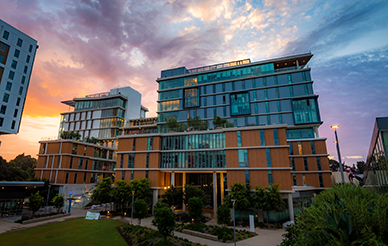
Arts and Humanities Building

Book an individual session

The Dean's Office offers individual support sessions for guidance on Research and Creative Activities funding, proposal support, and related resources. Schedule a 30-minute meeting with Program Manager Monica Alvarado.

Book Now